-
Israel – A Few Highlights
We have been running from early morning to late evening…so I haven’t had much time to put together posts. So…here are a few highlights from the trip.
Over the next few weeks I will be sharing, in more detail, about each of the sites we had the privilege of visiting this past week.
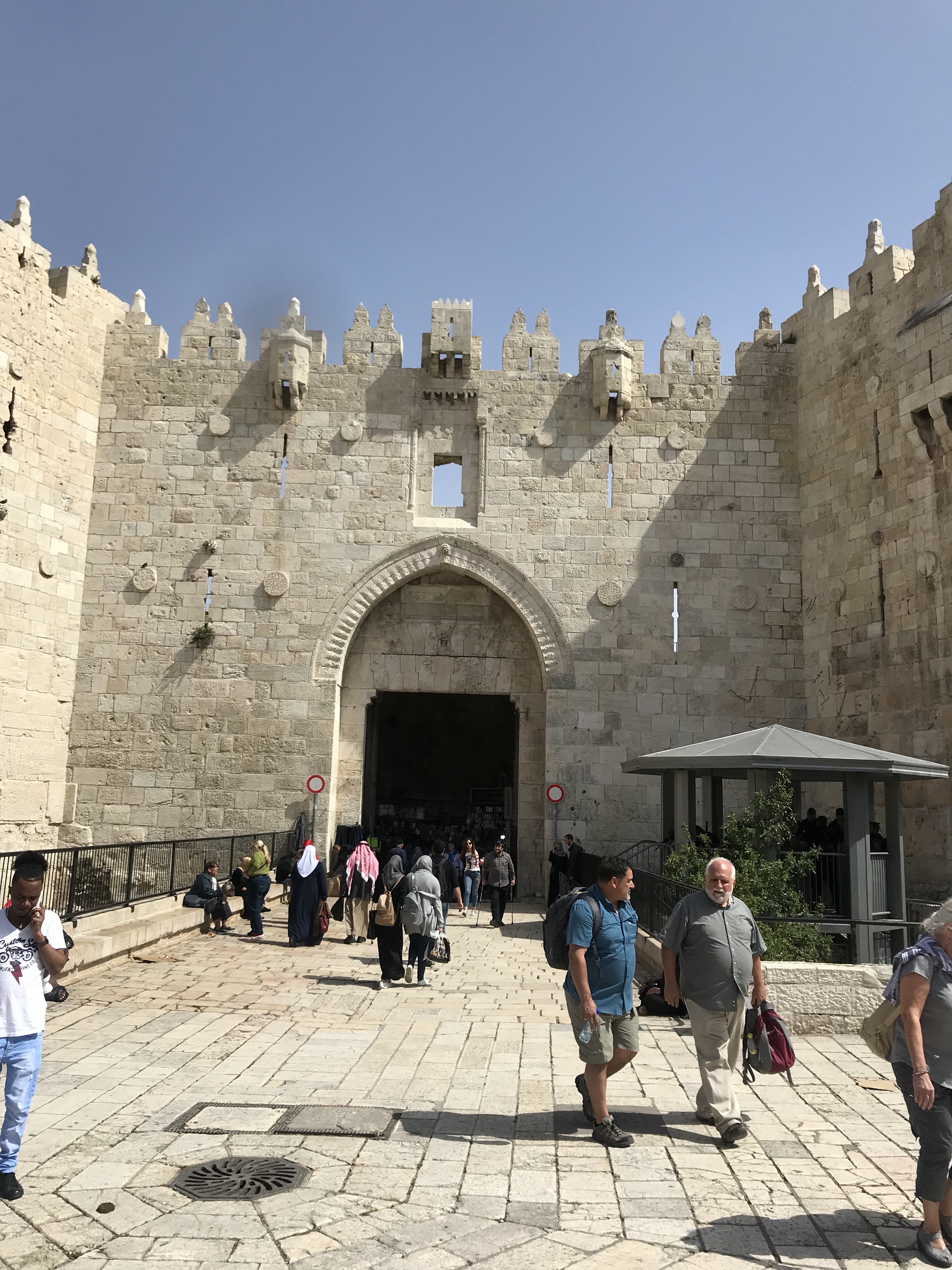
Coming out of the Damascus Gate
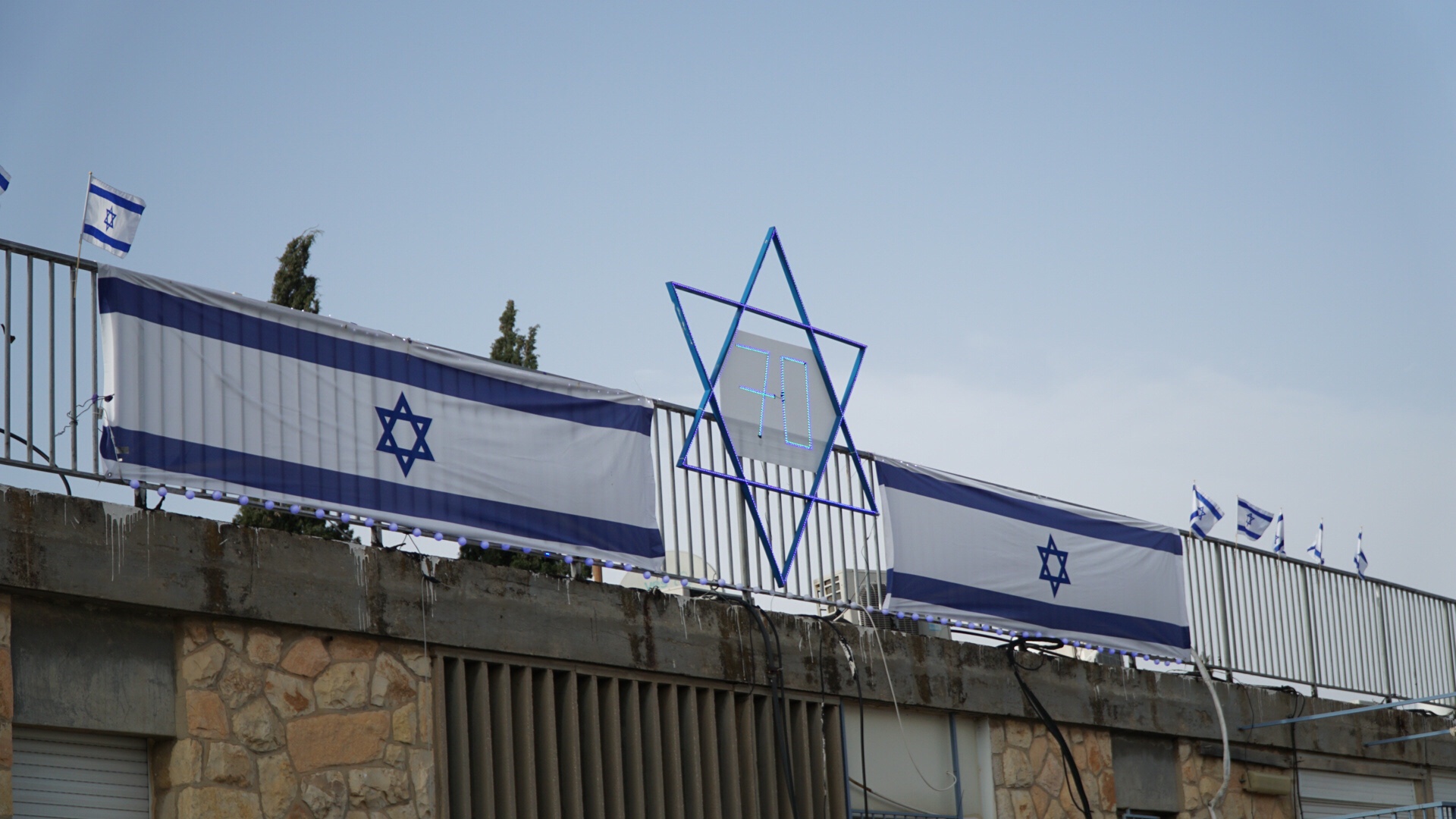
Israeli Home Celebrating 70th Year Anniversary
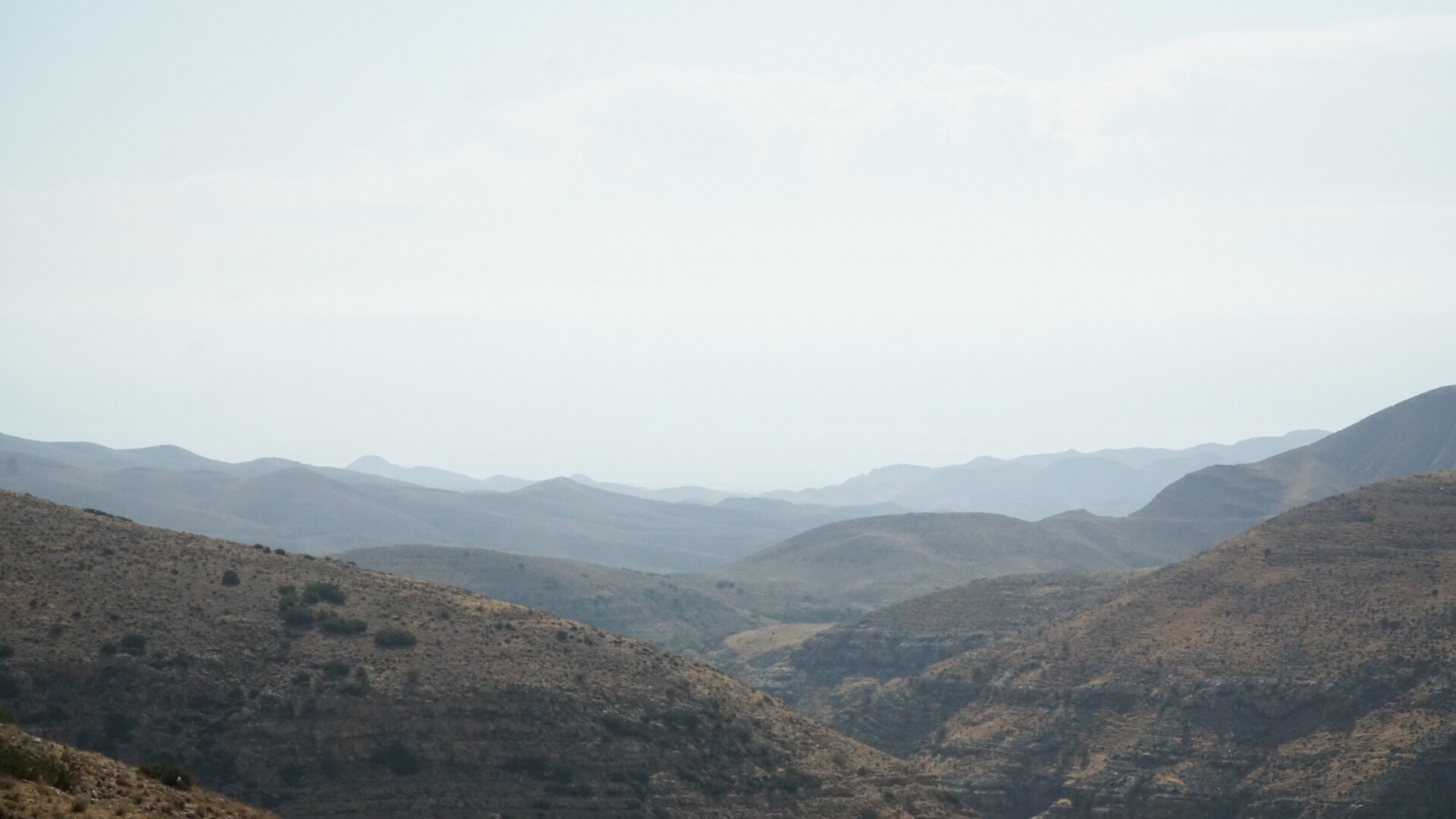
Judean Wilderness
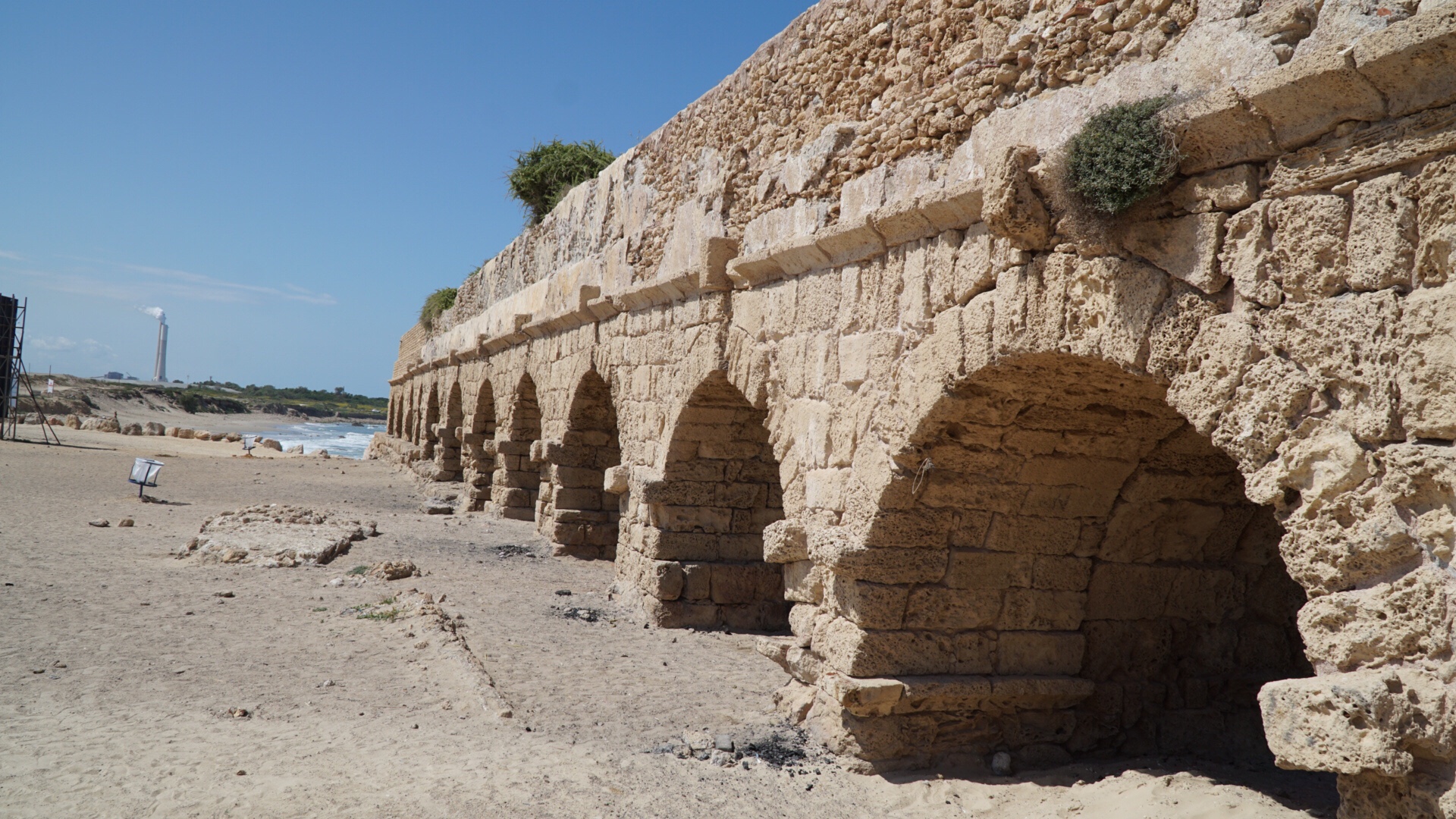
Ancient Aqueduct art Caesarea Maritima
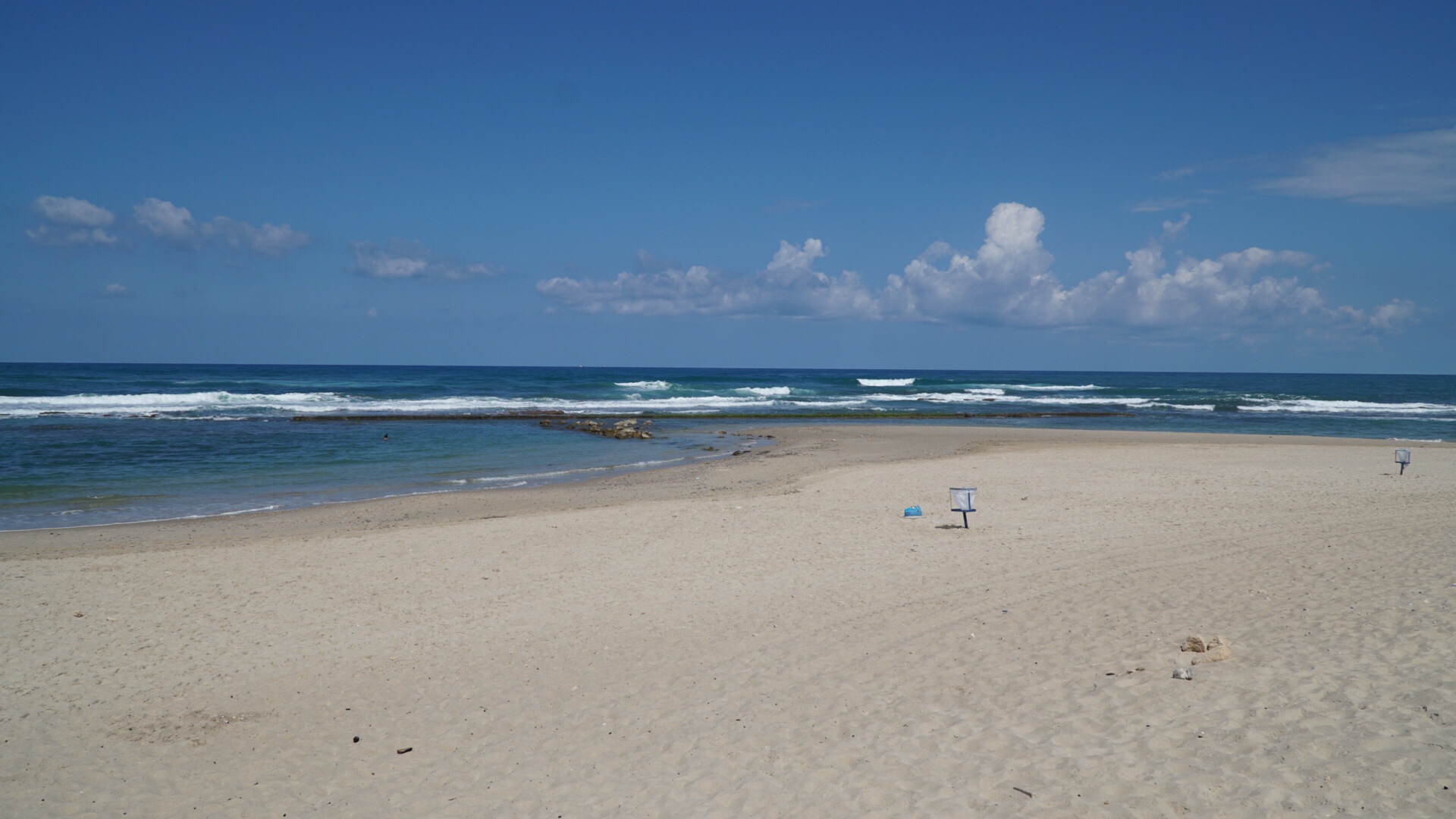
Mediterranean Sea

Theater at Caesarea Maritima

Caesarea Maritima
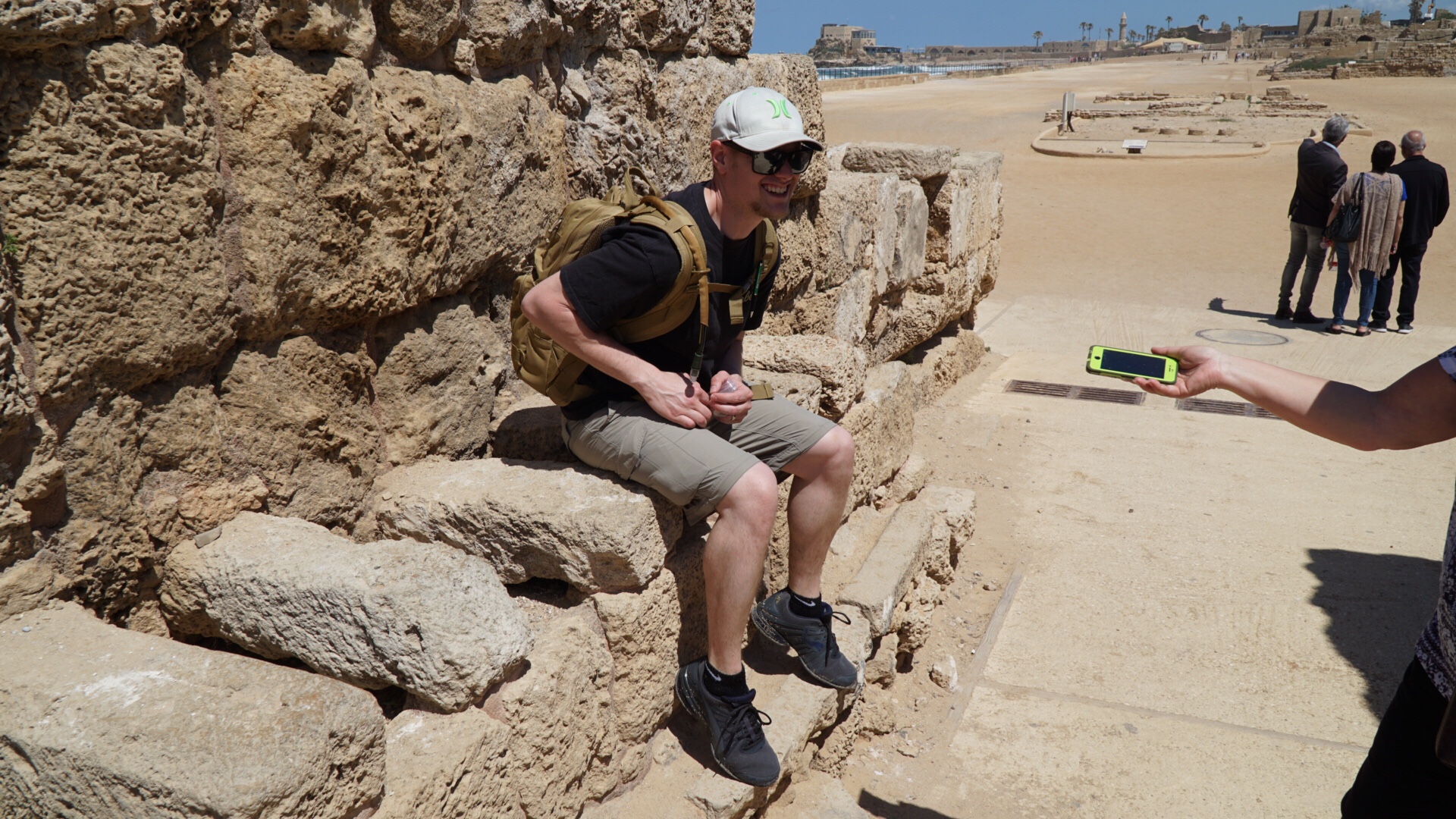
Mark trying out the ancient toilets
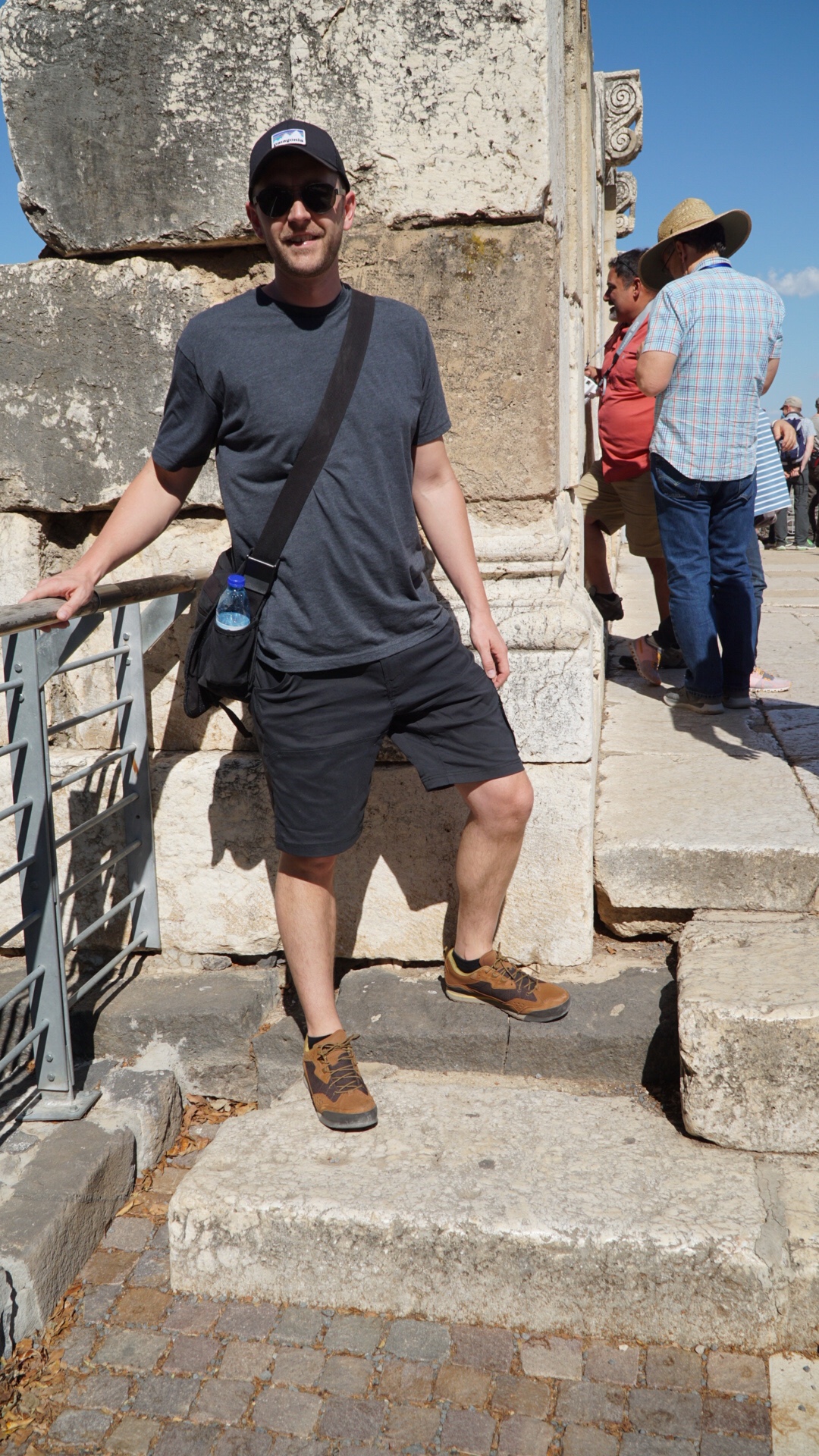
Capernaum Synagogue where Jesus would have taught
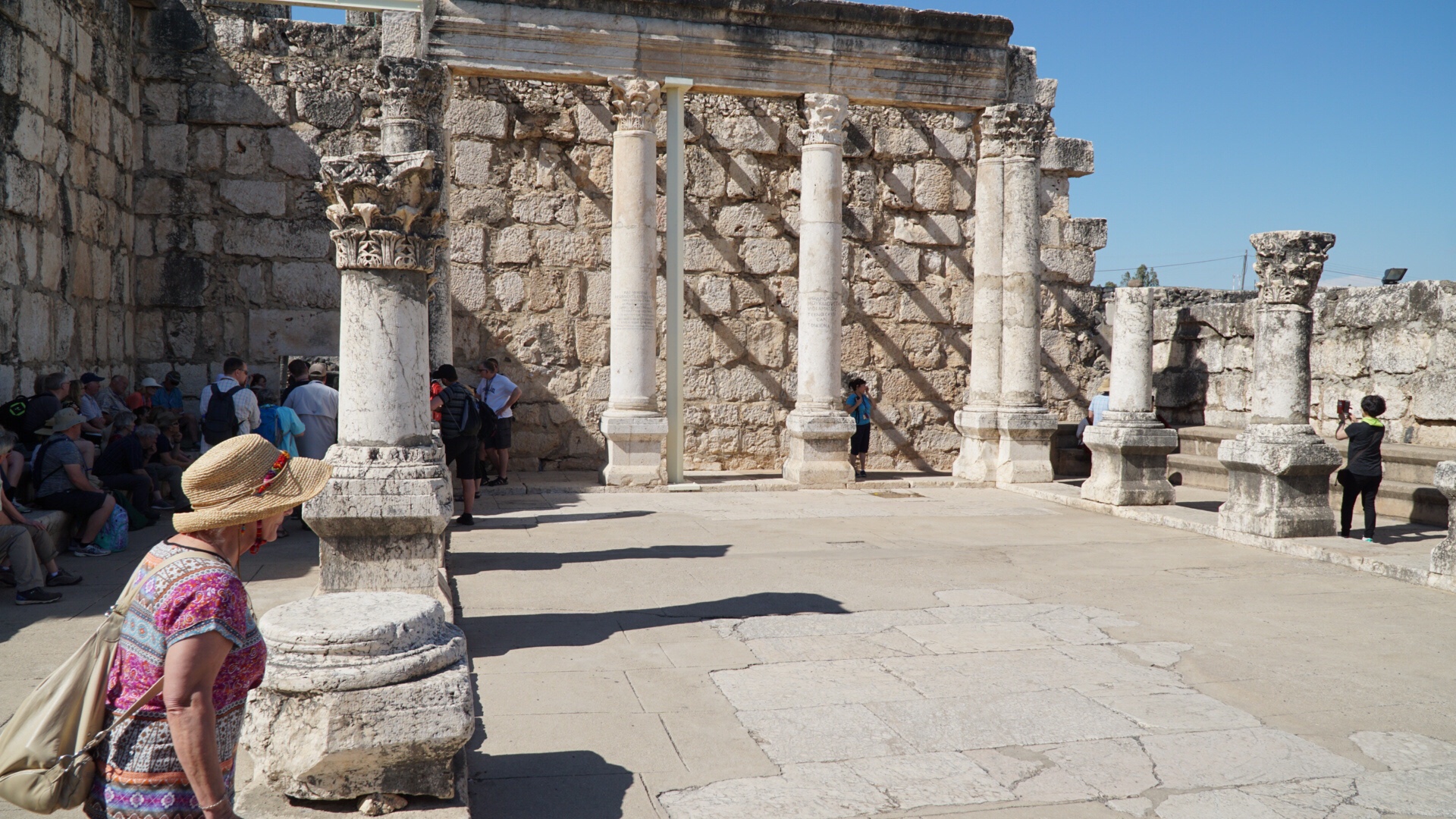
Synagogue at Capernaum

Game for the kids at Capernaum Synagogue
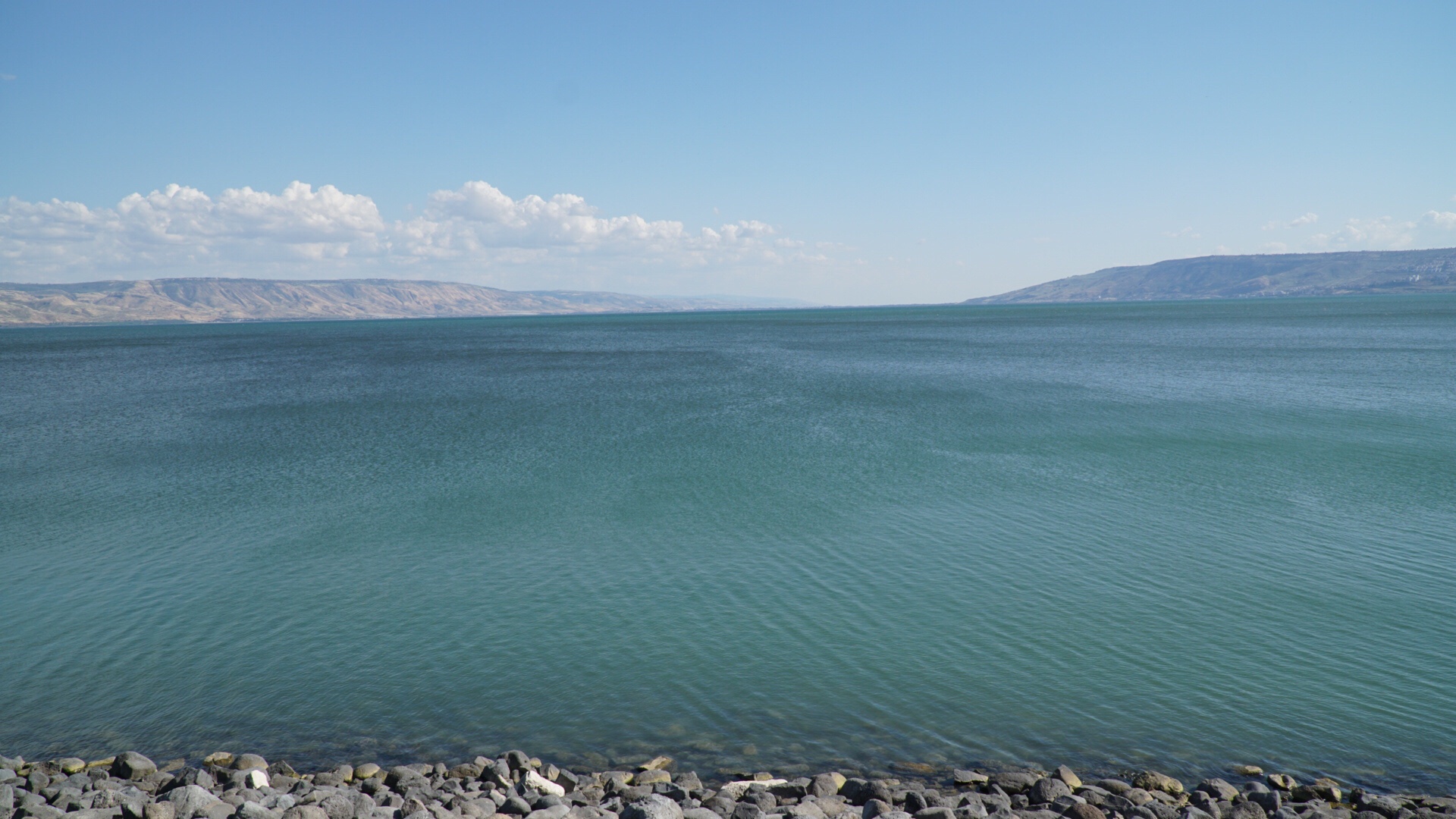
Sea of Galilee
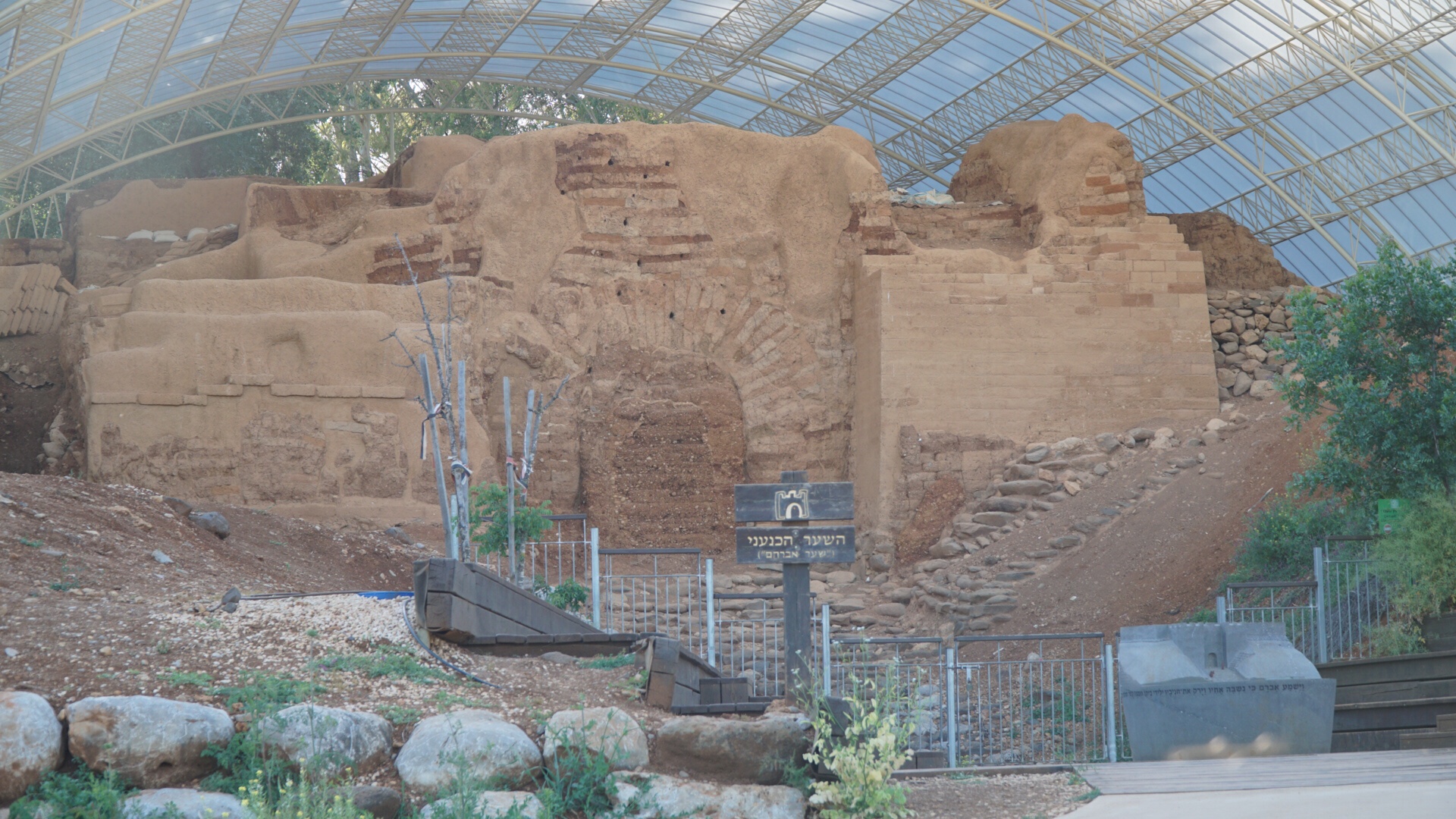
4000 year old clay gate at Tel Dan – Abraham likely walked through this gate.
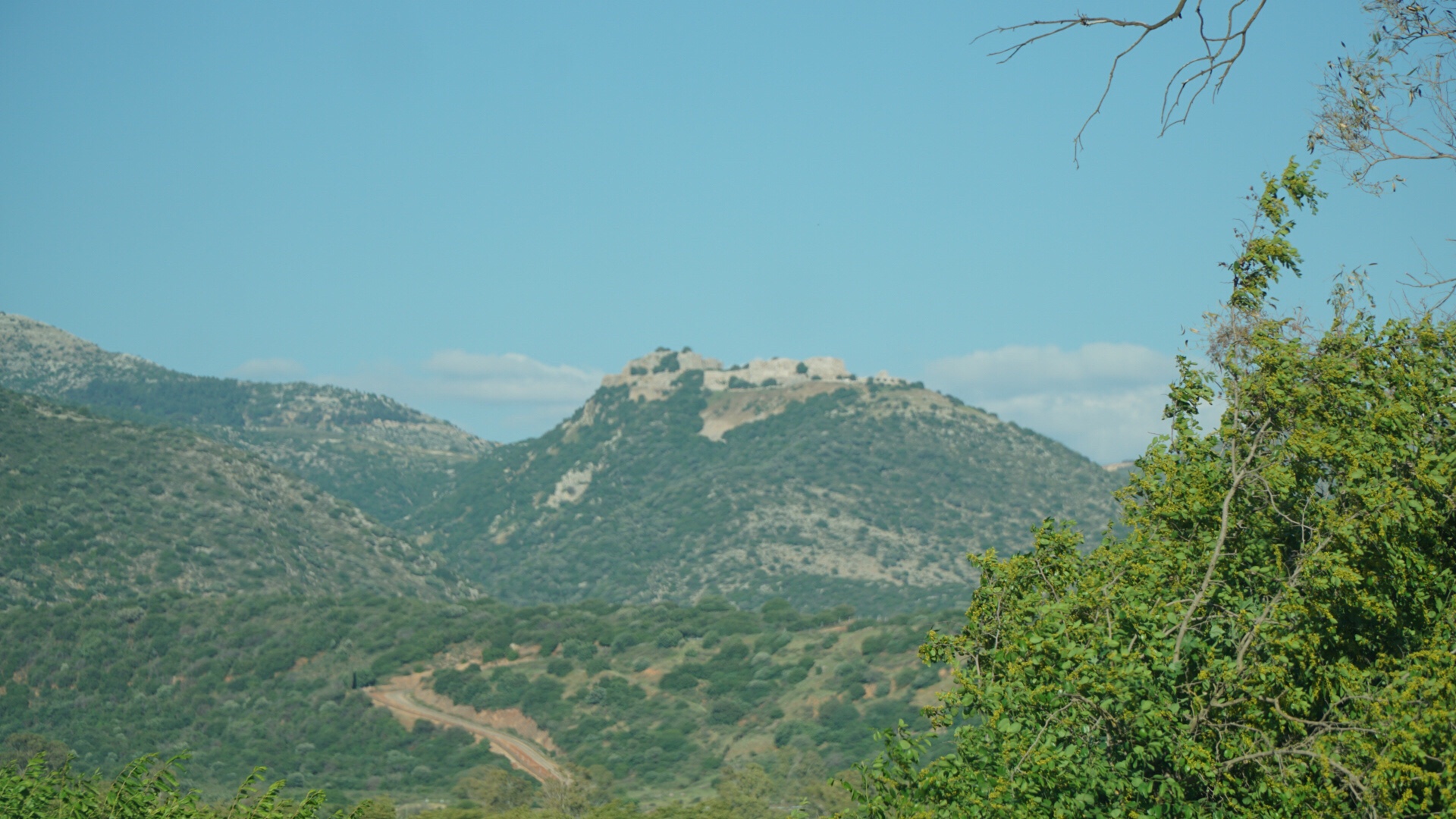
City on a hill.
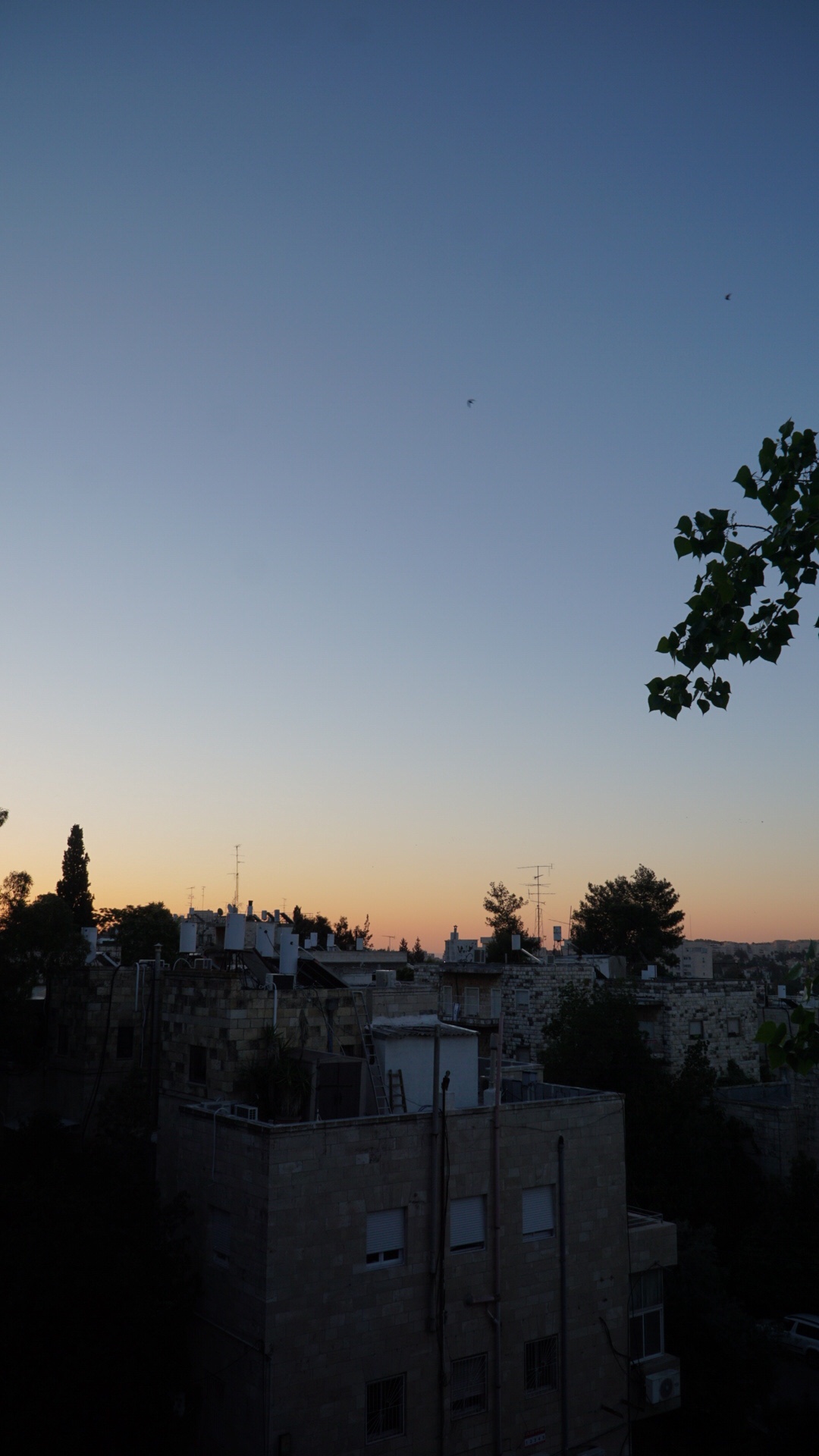
Sunrise over Jerusalem

Better than Starbucks
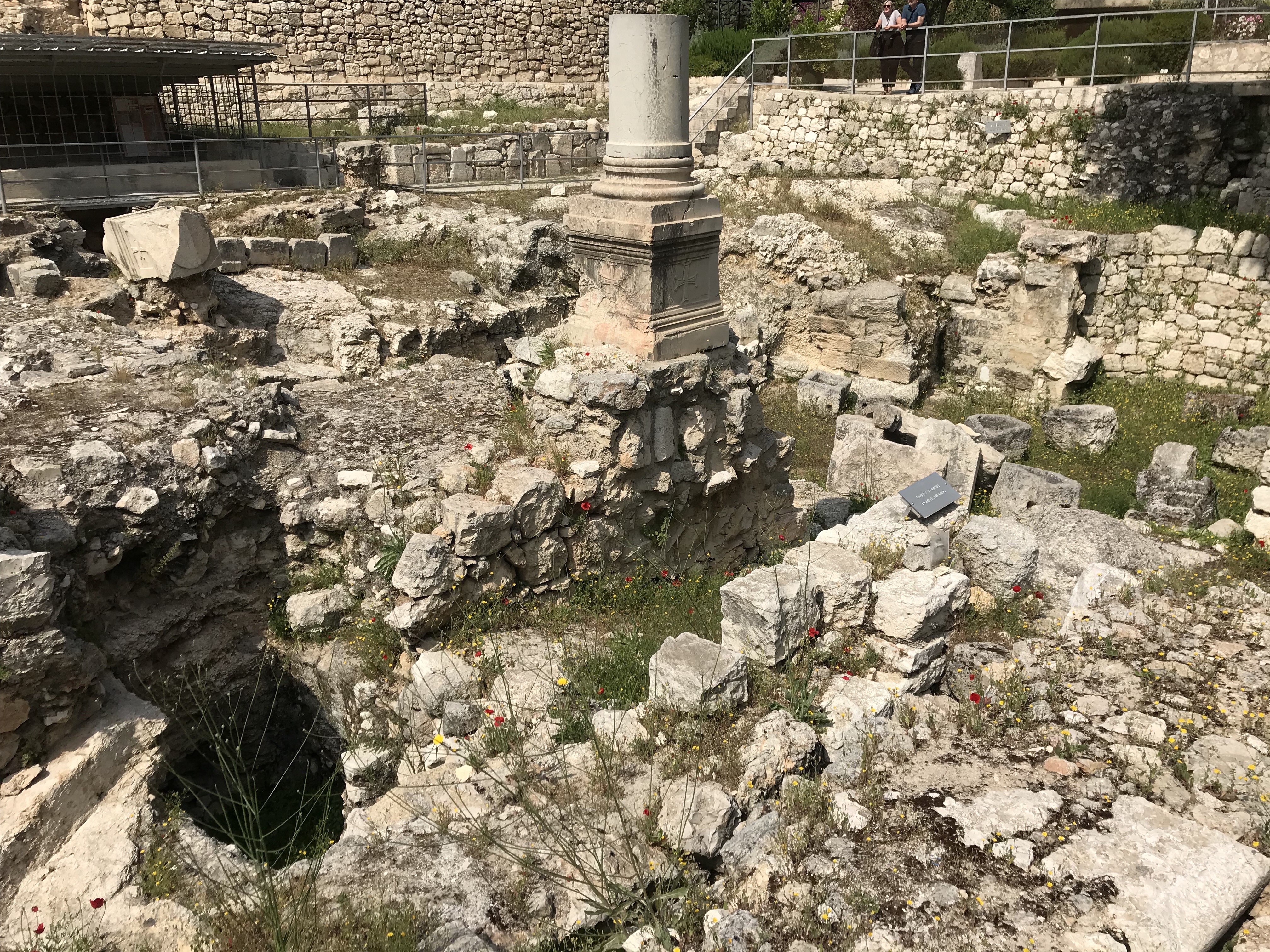
Pool of Bethesda

Pool of Bethesda

Ibex @ En Gedi
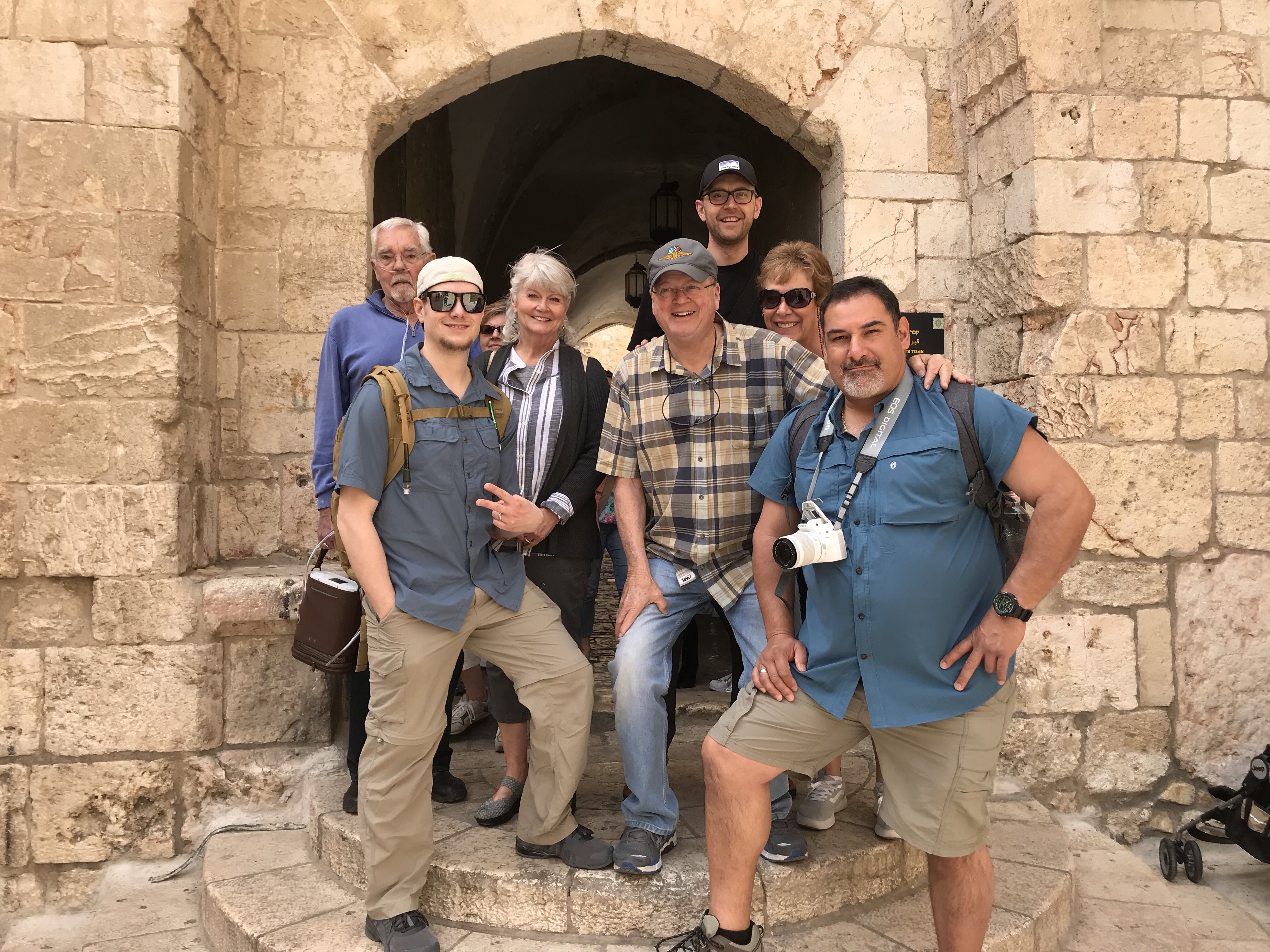
The Crew

Kedron Valley

Game the Praetorium Guard would have played.

Floor of the Praetorium where Jesus was slapped and spit upon and they put a crown of thorns on his head.

Herod’s Palace at Masada
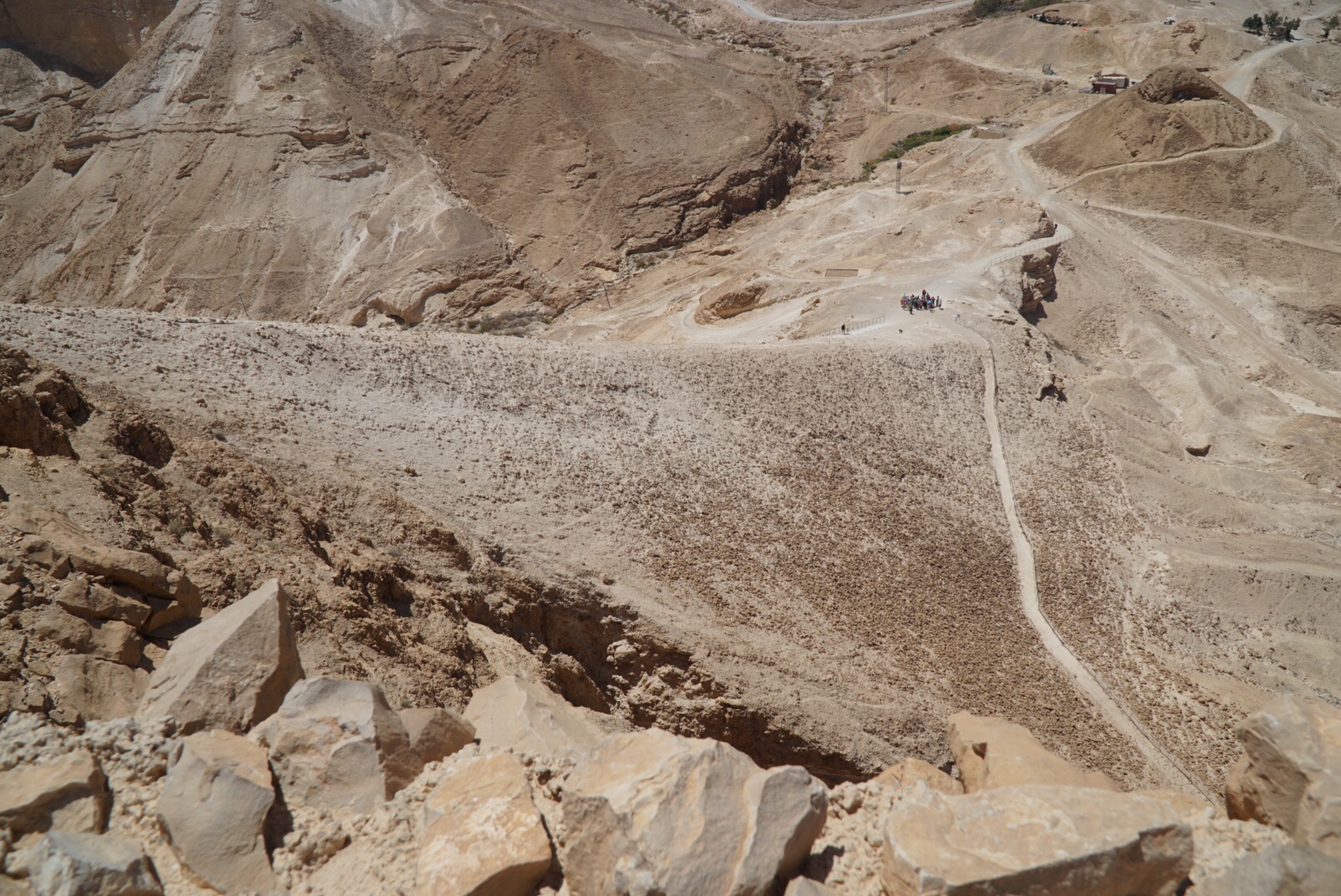
Roman siege ramp built to take Masada

En Gedi waterfall where David and his men hid from King Saul
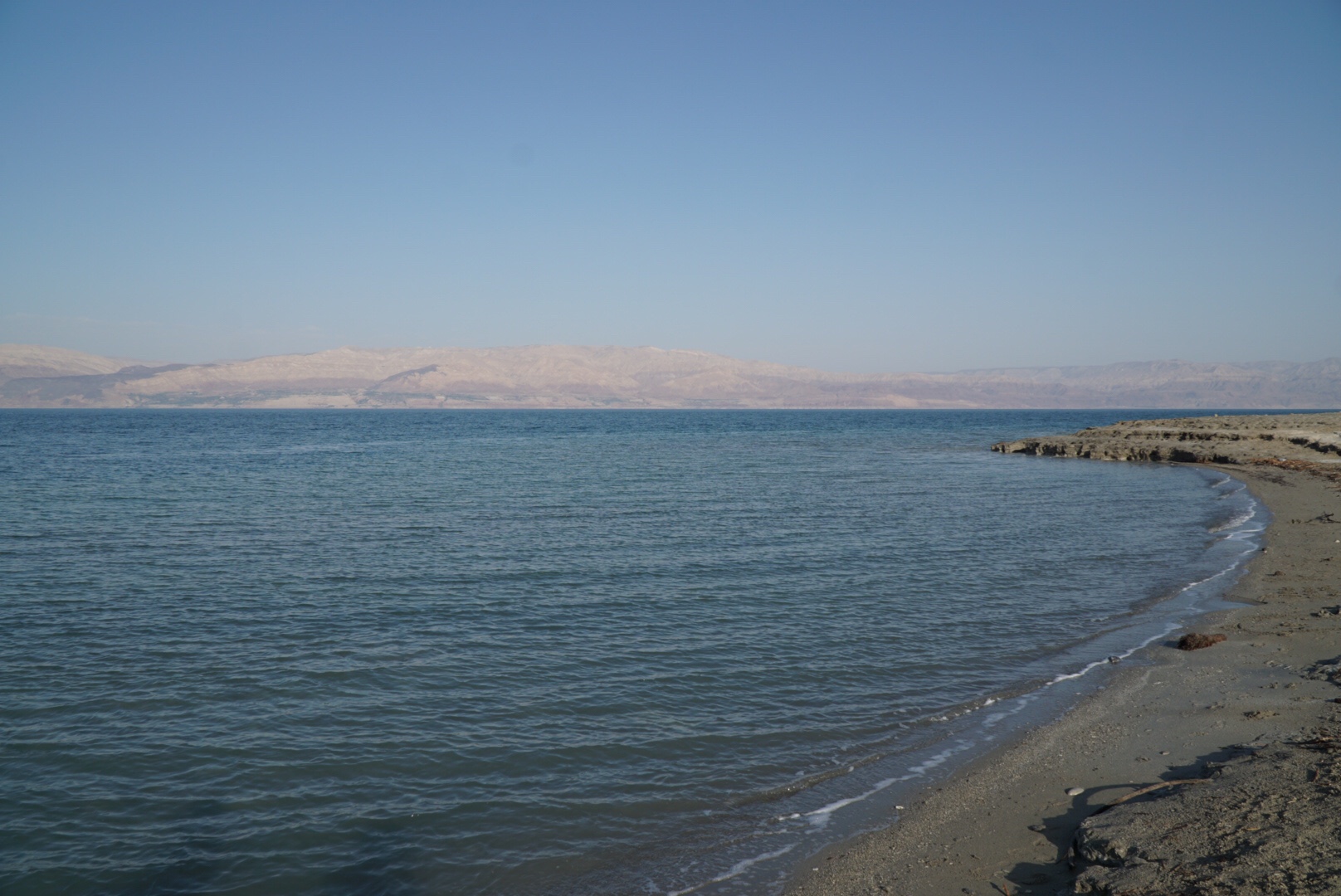
Dead Sea
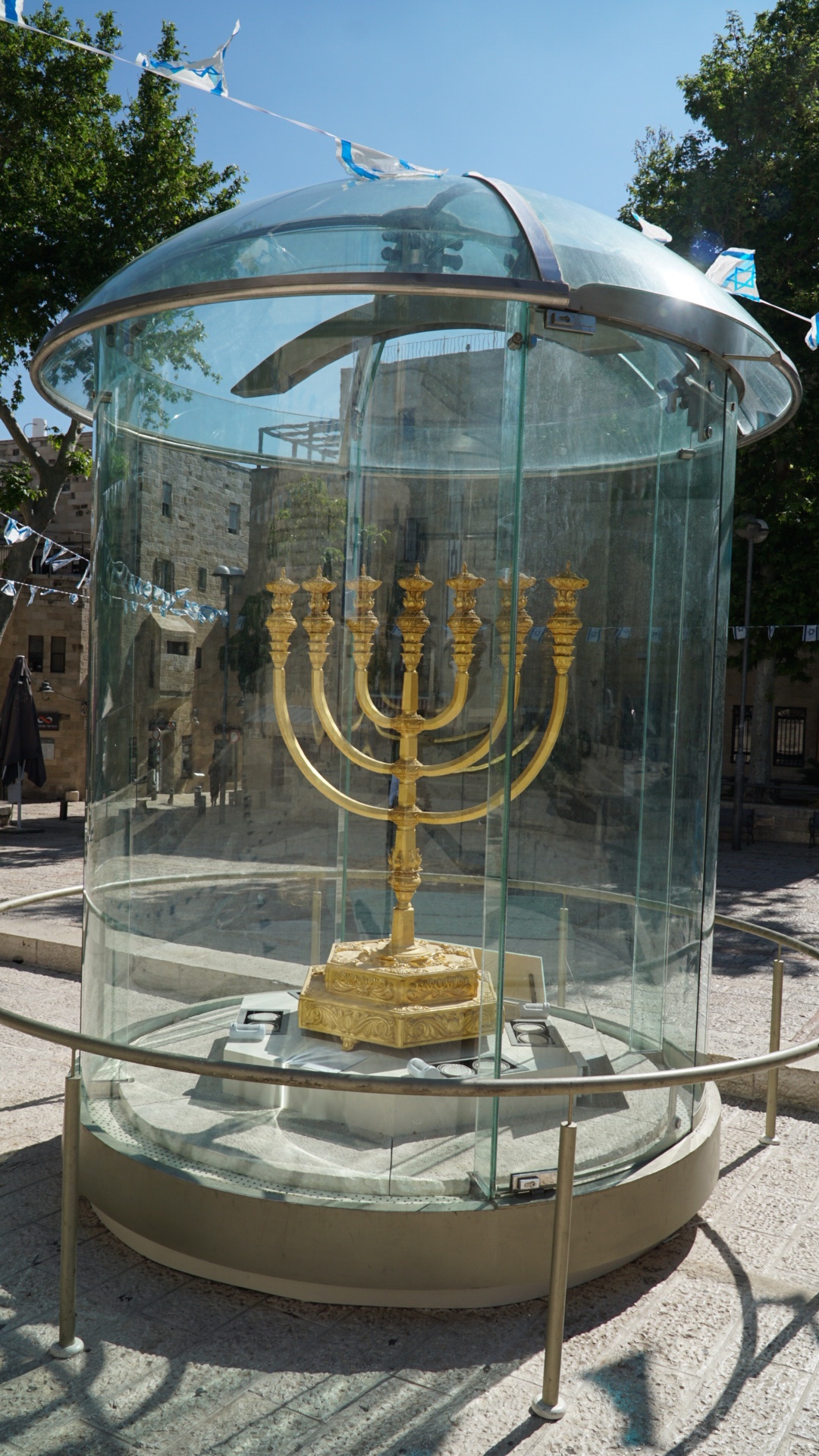
Candle stand built for the third temple

Western Wall of Temple Mount

Bar Mitzvah at the Western Wall
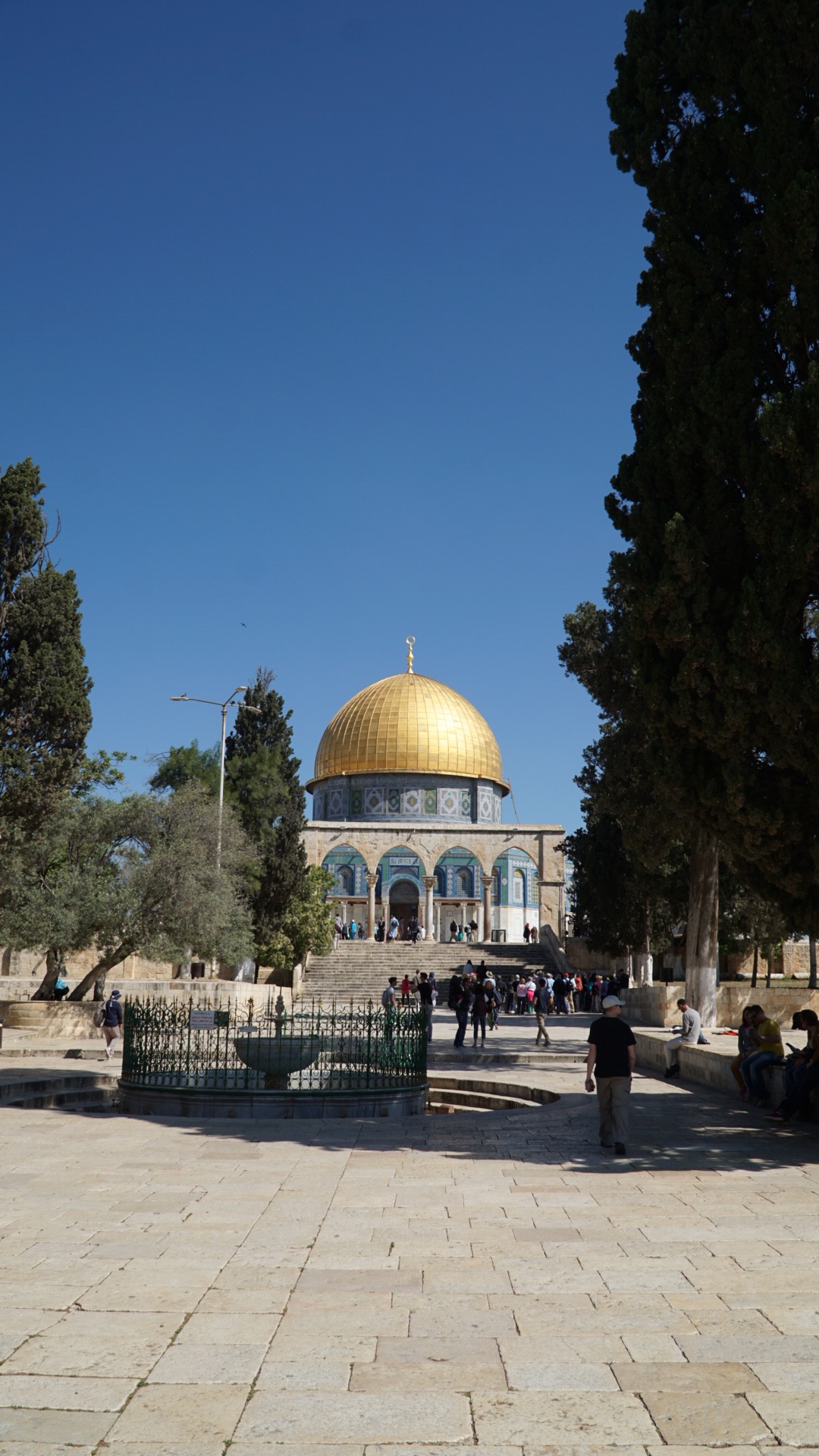
Dome of the Rock on Temple Mount

Scribe at Masada
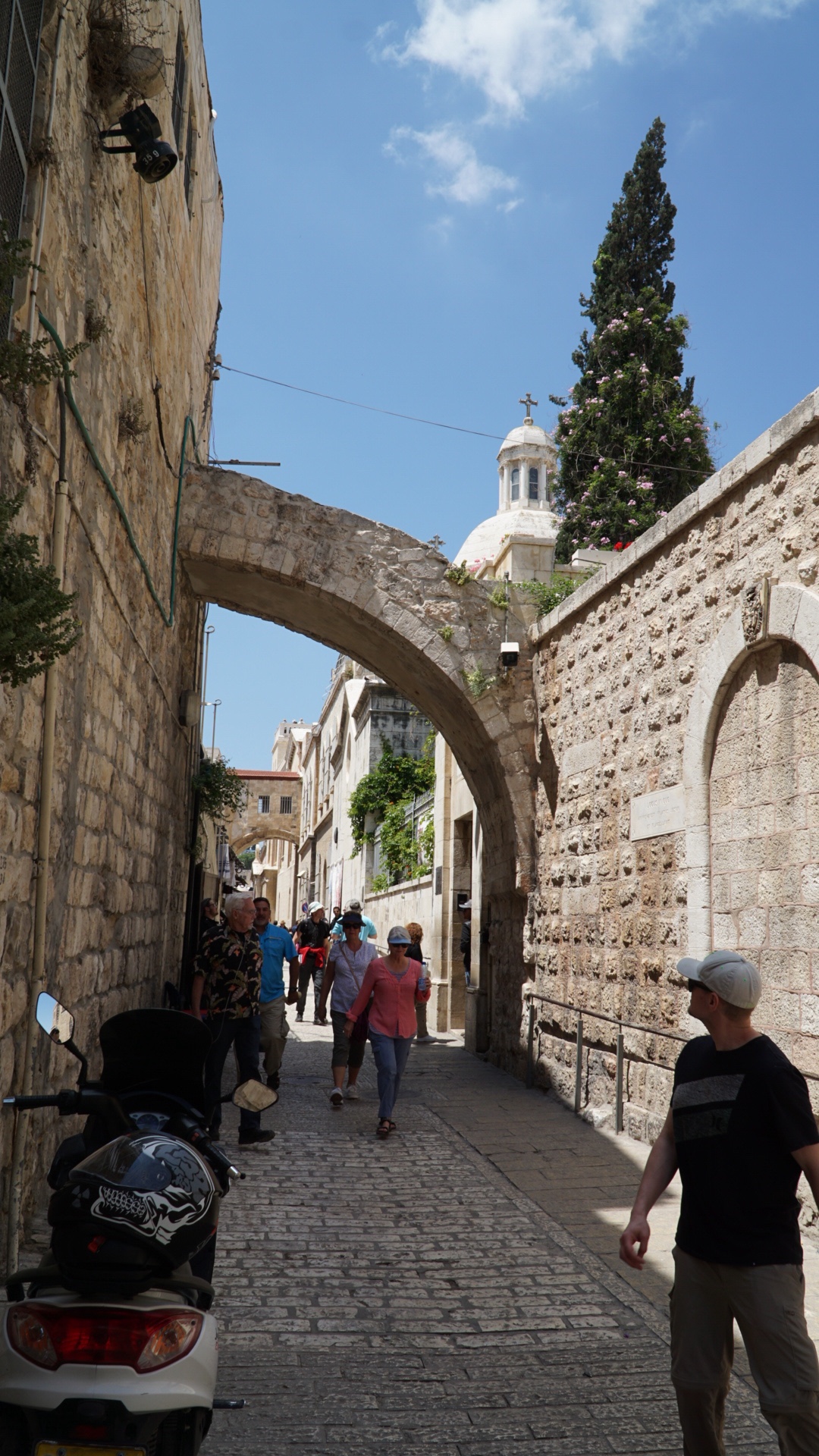
Behold the Man – Under that arch is where Jesus would have been presented to the crowd.
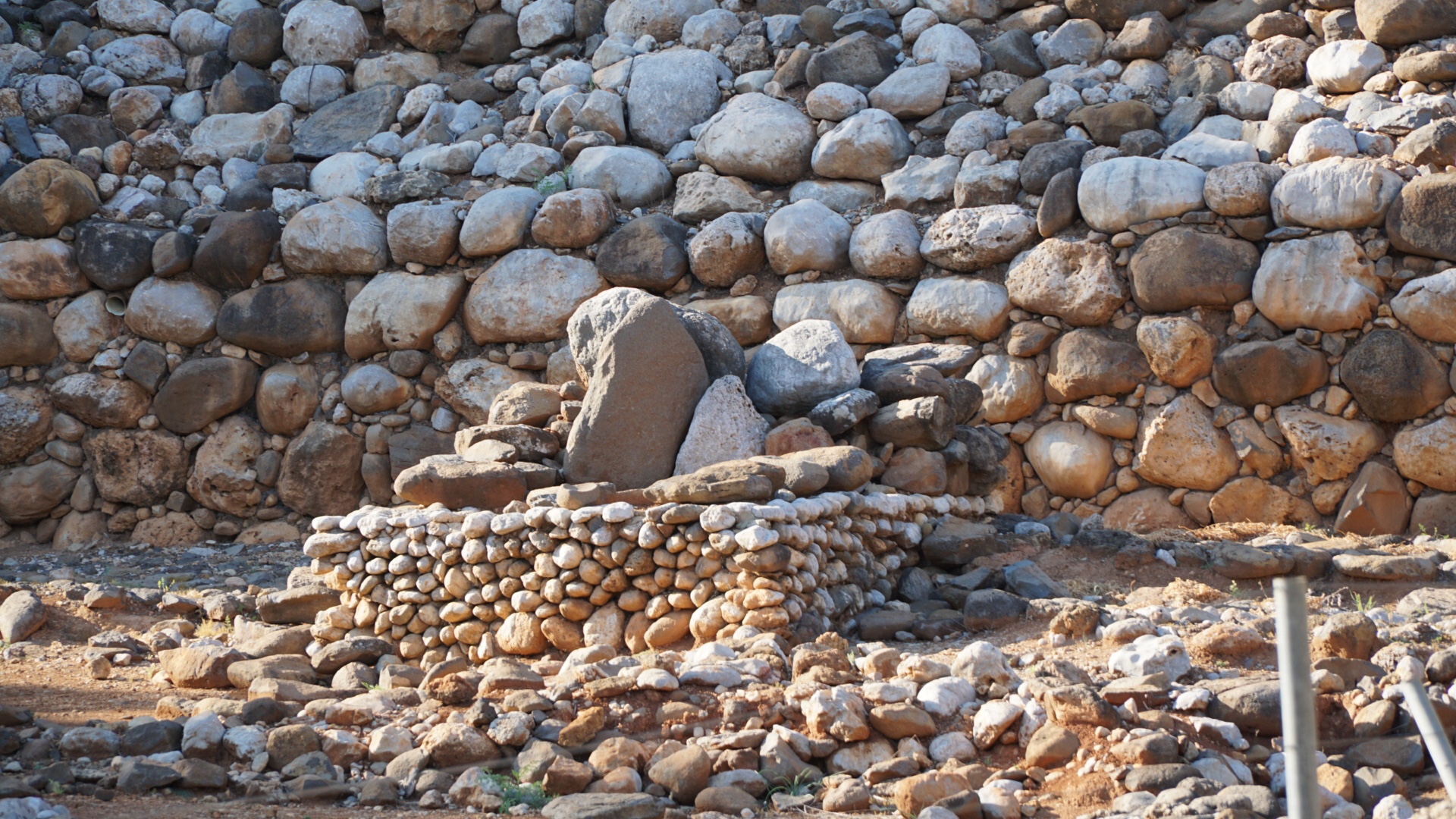
Ancient Alter
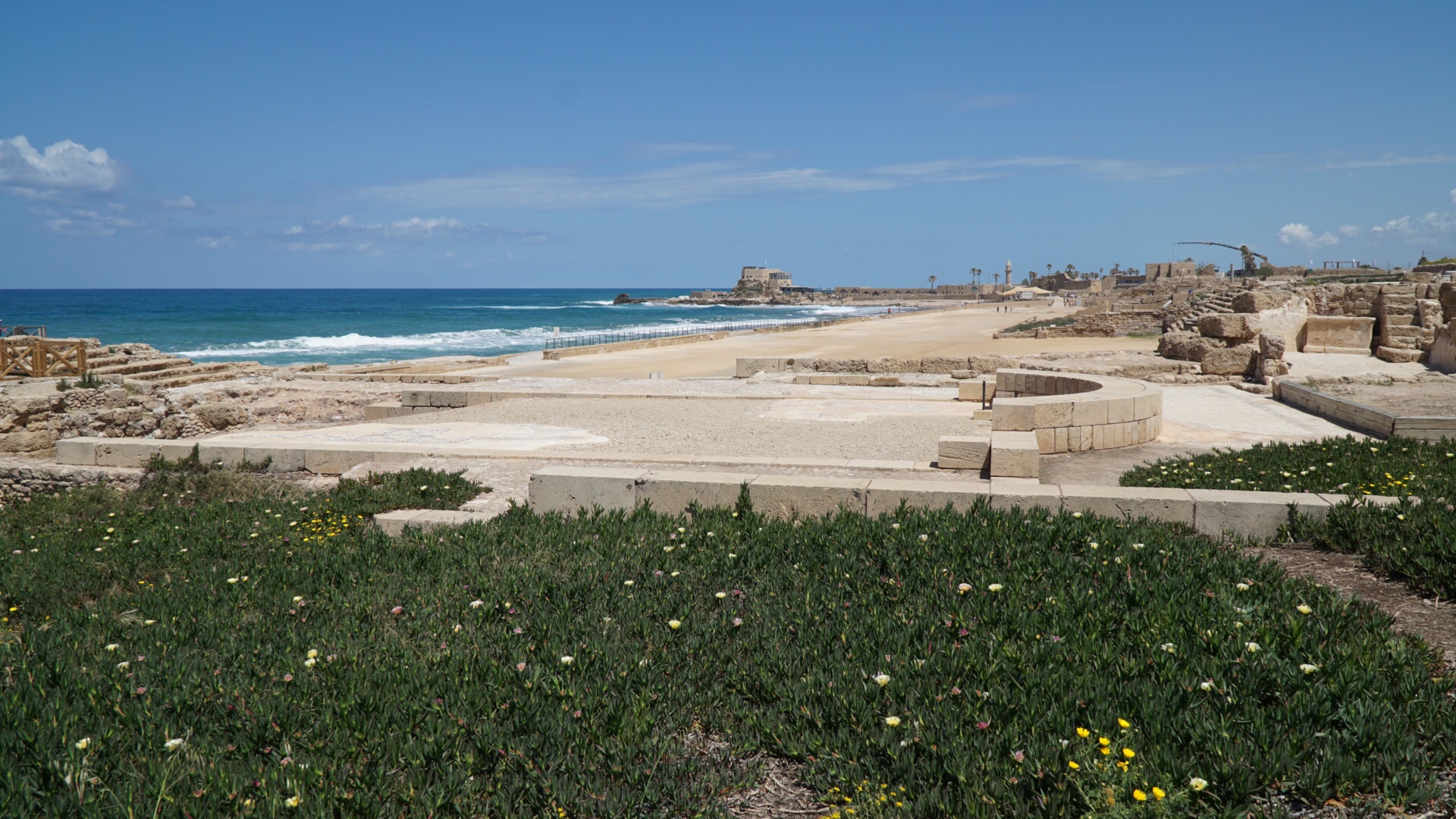
Caesarea Maritima

Stones along the Via Dolorosa.
-
To Teach Their Children
“He established a testimony in Jacob and appointed a law in Israel, which he commanded our fathers to teach to their children, that the next generation might know them, the children yet unborn, and arise and tell them to their children, so that they should set their hope in God and not forget the works of God, but keep his commandments;”
Psalms 78:5-7 ESV
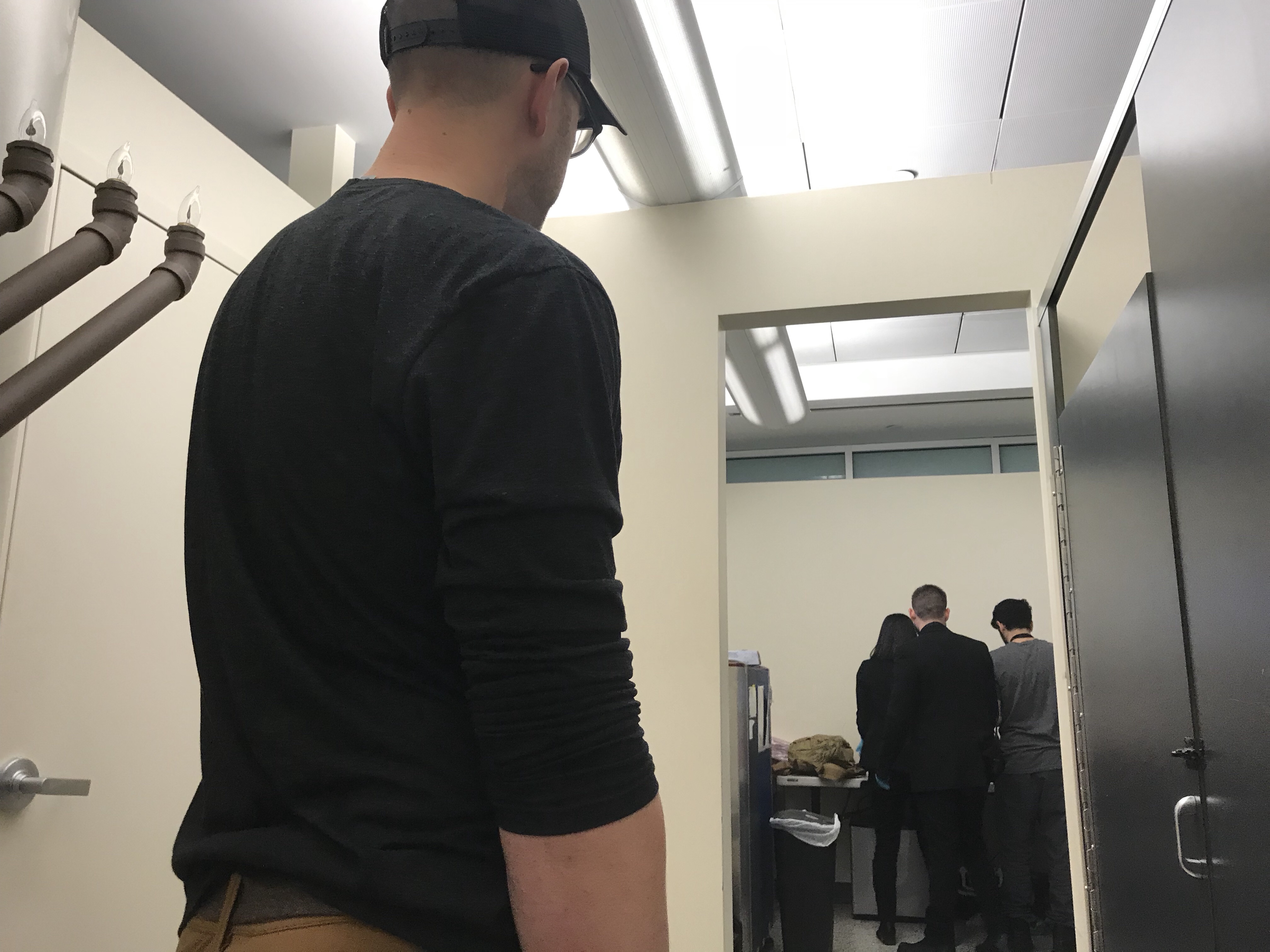 After 26 hours of travel, and an insightful experience with Israeli security (more on that later), we finally arrive at Ben Gurion airport. Making our way through the terminal we met up with our team for week, and we set off for Jerusalem.
After a great dinner with new friends, we decided to set out for a walk through the city to keep us awake until it was time for bed.
As we were walking we met a lady who had immigrated to Israel from New York who helped us make our way to the the Western Wall. Being the start of Shabbot (or Sabbath) we were greeted by the occasional person walking by with friendly Shabbat Shalom
When we arrived at the Western Wall is was alive with activity. Not only was it Shabbot, but Israel is currently celebrating it’s 70 year anniversary as a country. With the courtyard packed with Orthodox Jew’s celebrating Shabbot, the sight was spectacular at the Wall.

As I made my way through the crowd I witnessed an Older Jewish man beaming as his Son and his two young grandsons walked back from praying in front of the Western Wall of the Temple Mount. The most holy site for Orthodox Jews.
As I watched this scene unfold I couldn’t help but smile as the familiar words of Psalm 78 flooded through my head.
This was a faithful man being faithful to Torah and a beautiful picture of generational faithfulness. A grandfather beaming with holy pride as he passes his faith and a remembrance of the mighty works of God to the next generation.
Something to ponder…
Blessings,
KB
-
The Journey Begins
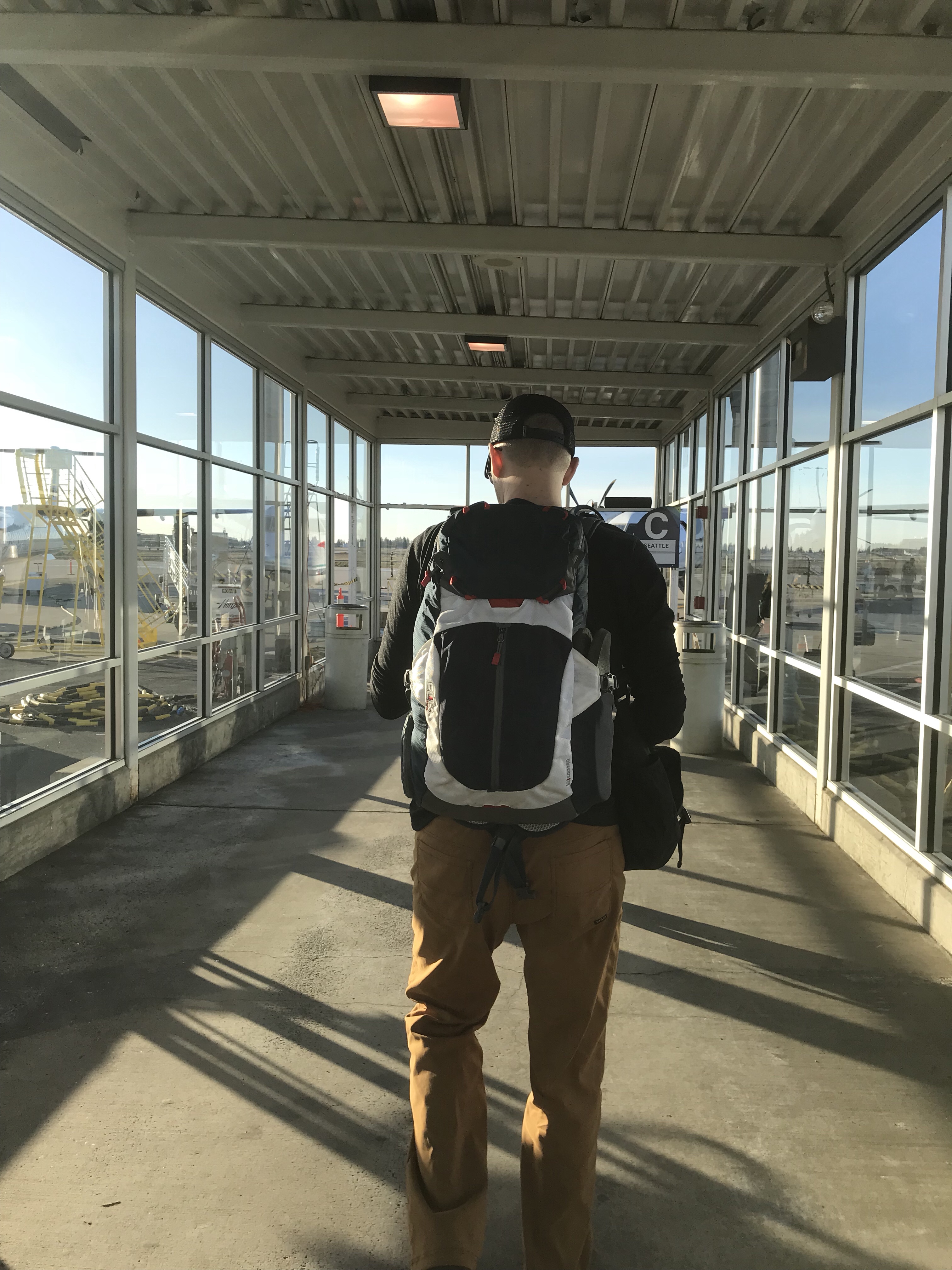 It wasn’t until I took my seat and settled in for the first leg of our flight to Israel that the reality finally hit me…that in a few short hours I will be walking on the same dirt that Jesus walked on.
For most of my life I have been captivated by the Bible. This God-breathed collection of books that seem to be an endless adventure for those who will allow its to guide their lives. And now to have the opportunity to walk in the cities, stand on the mountains, and wade in the rivers where so much of the narrative of Scripture took place is absolutely mind blowing.
So many questions race through my mind as to what it will really be like. Will I be overwhelmed with emotion, let down because of expectation, or transformed by the experience. One thing I do know…I will do my best to enter in with open hands and a ready heart.
Excited to share the journey with those who might care to read.
KB
-
Subscribe
Subscribed
Already have a WordPress.com account? Log in now.
 Kyle Bostock Blog